We have a healthcare AI diffusion problem in Canada
It's universally recognized that we're currently in a healthcare crisis.
Most of the solutions come down to marginal reallocation of system resources - funding a new family medicine clinic in a specific rural community, marginally slightly increasing physician training slots, programs to onboard more international medical graduates.
The problem with all of these approaches is that they are not solving the core problem.
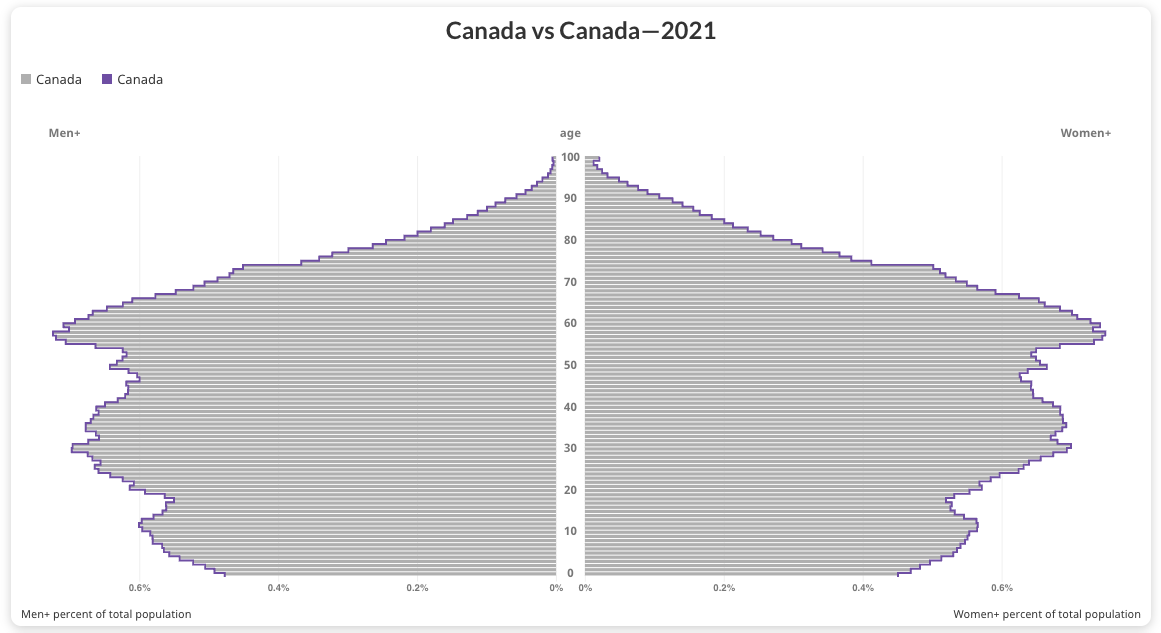
The essential problem we're facing is as follows:
- A small base of taxpayers limits resources that can be marshalled for a larger base of medical dependents/seniors.
- Under this constraint, there will continue to be a lack of supply of healthcare relative to demand.
- Increasing the supply of healthcare is not fiscally sustainable.
- Augmenting clinicians with healthcare AI so that they can deliver more care without greatly increasing costs is the only possible solution.
Healthcare AI is the only path forward.
Right now, the fate of the entire system comes down the rate of technology diffusion we can bring to bear.
We need to do a much better of diffusing frontier healthcare AI systems that can substantially augment clinician efficiency while maintaining patient safety and quality of care.
In Canada, the rate of technology diffusion is limited by a variety of factors, including lack of market urgency from clinic operators, institutional hurdles to adopting innovation, and other foundational structural limiters.
In my next post: a survey of why technology diffusion in general in limited in healthcare in Canada.